
Golden-bellied Starfrontlet
Scientific name: Coeligena bonapartei
The Golden-bellied Starfrontlet is a large, brilliantly colored hummingbird endemic to the Eastern Andes of Colombia. The number of mature individuals is unknown, the overall population is considered stable at present, and it is listed as Least Concern, monotypic in your treatment, non-migratory, and restricted to a relatively small Andean range.
At a Glance
Family: Trochilidae (hummingbirds)
Clade: Heliantheini – Brilliants
Genus group: Coeligena — 15 species, 28 subspecies
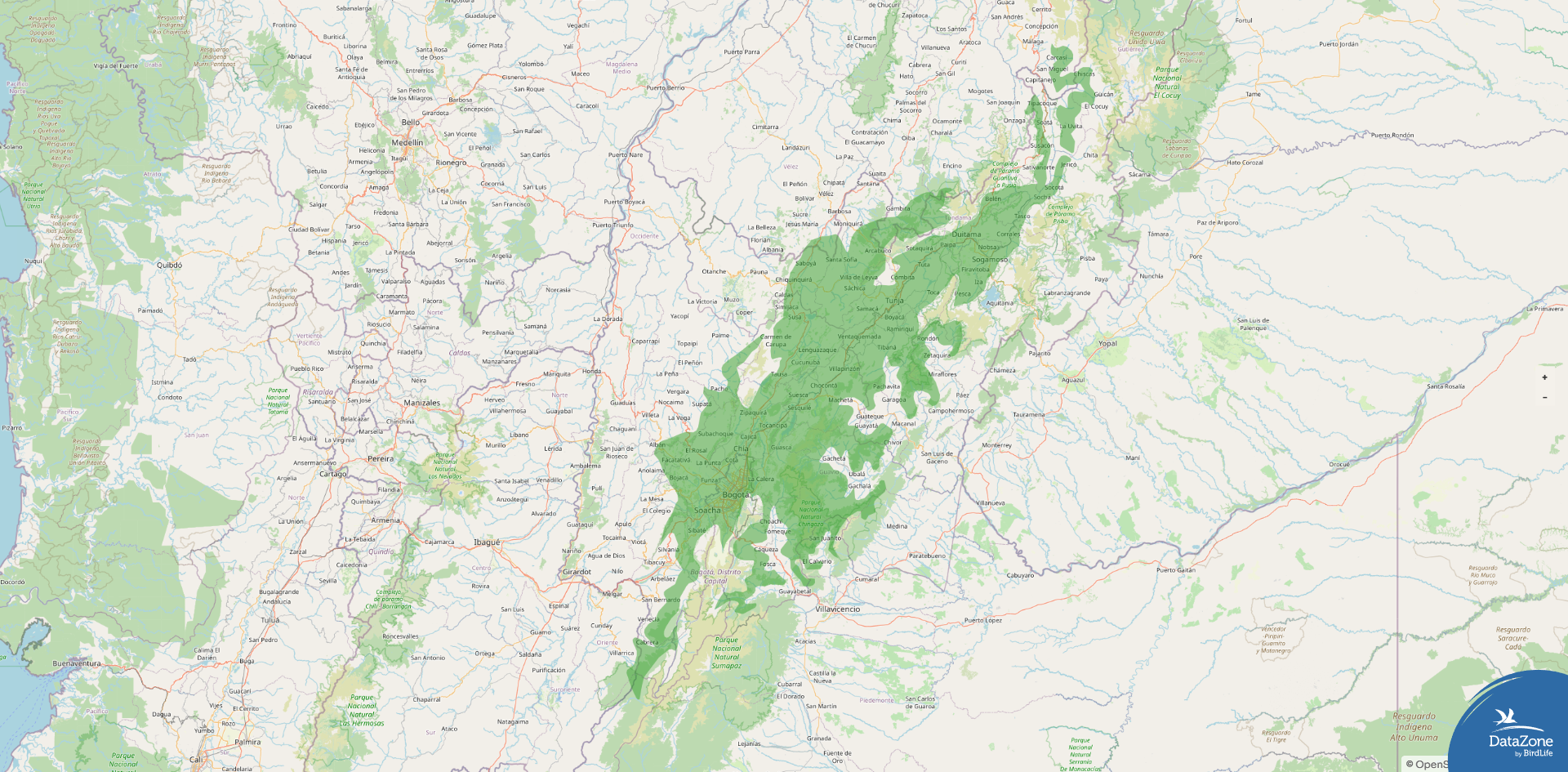
Range: Eastern Andes of Colombia from Boyacá Department south to the Bogotá region, in a relatively narrow elevational and geographic band.
Habitat: Interior and edges of humid montane forest, dwarf forest, and more open highland landscapes with scattered shrubs and trees.
Elevation: Roughly 1,400–3,200 m, mostly in upper montane zones.
Length: About 10.9–11.4 cm (4.3–4.5 in).
Weight: Around 6.4–6.6 g.
Number of mature individuals: Unknown
Population trend: Stable
Status: Least Concern (IUCN)
Name Origin
The genus name Coeligena means “born of heaven” or “sky-born,” a nod to the high-elevation habitats and brilliant colors typical of incas and starfrontlets. The species name bonapartei honors Charles Lucien Bonaparte, a prominent 19th-century French naturalist and ornithologist. The English name “Golden-bellied Starfrontlet” highlights its richly golden-to-coppery underparts and its membership in the starfrontlet group of Andean brilliants.
Subspecies & Distribution
The Golden-bellied Starfrontlet is treated here as monotypic, with no subspecies under your simplified genus treatment.
Endemic to the Eastern Andes of Colombia, from Boyacá Department south to the Metropolitan Area of Bogotá. It inhabits the interior and edges of humid montane forest, dwarf forest, and more open highland areas with scattered vegetation across this limited Andean corridor.
Overall, the species occupies a small range confined to the Eastern Cordillera in central Colombia, where it is tied to mid- to high-elevation humid forest and adjacent scrubby habitats.
Ledged
Green Resident
Species Overview
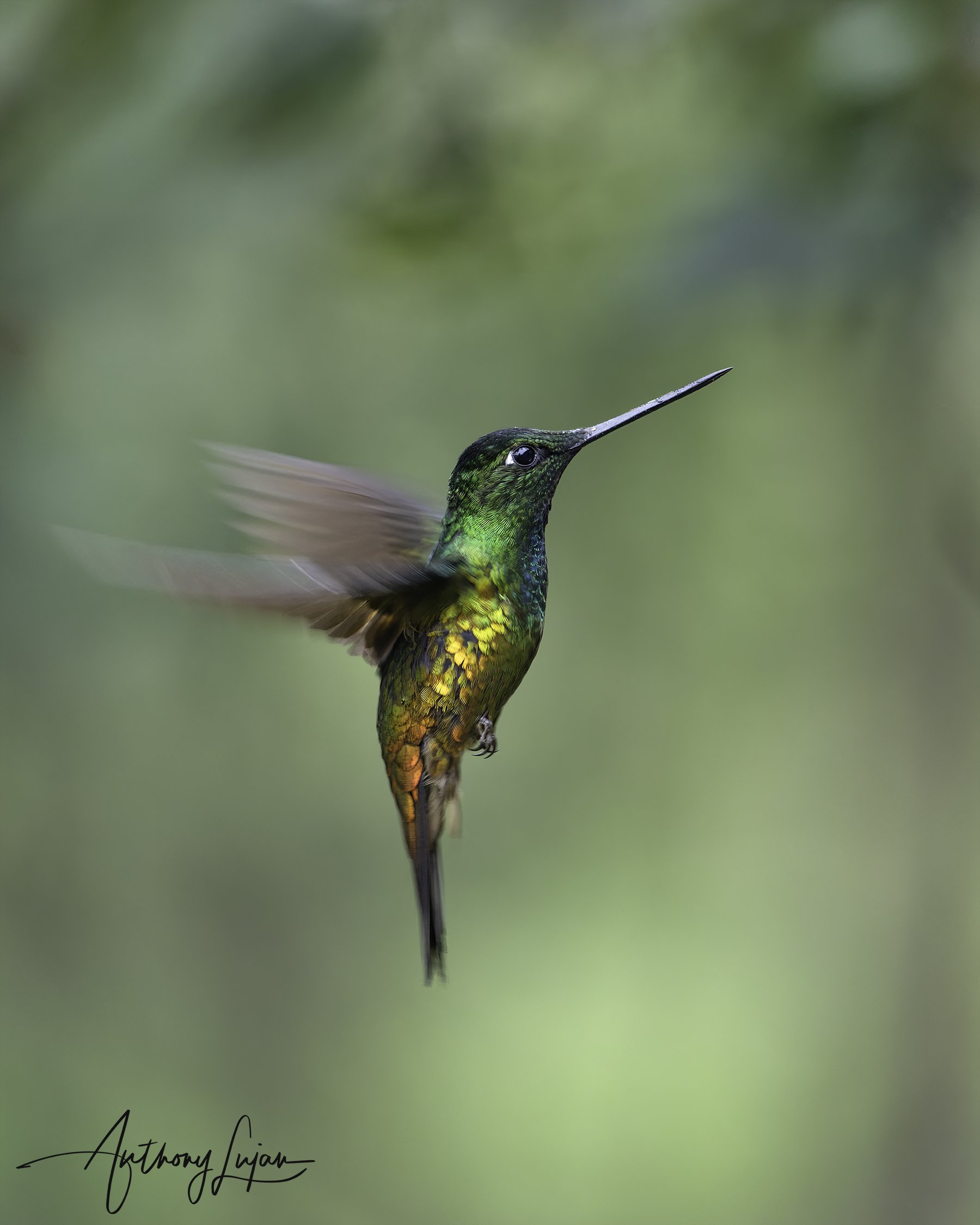
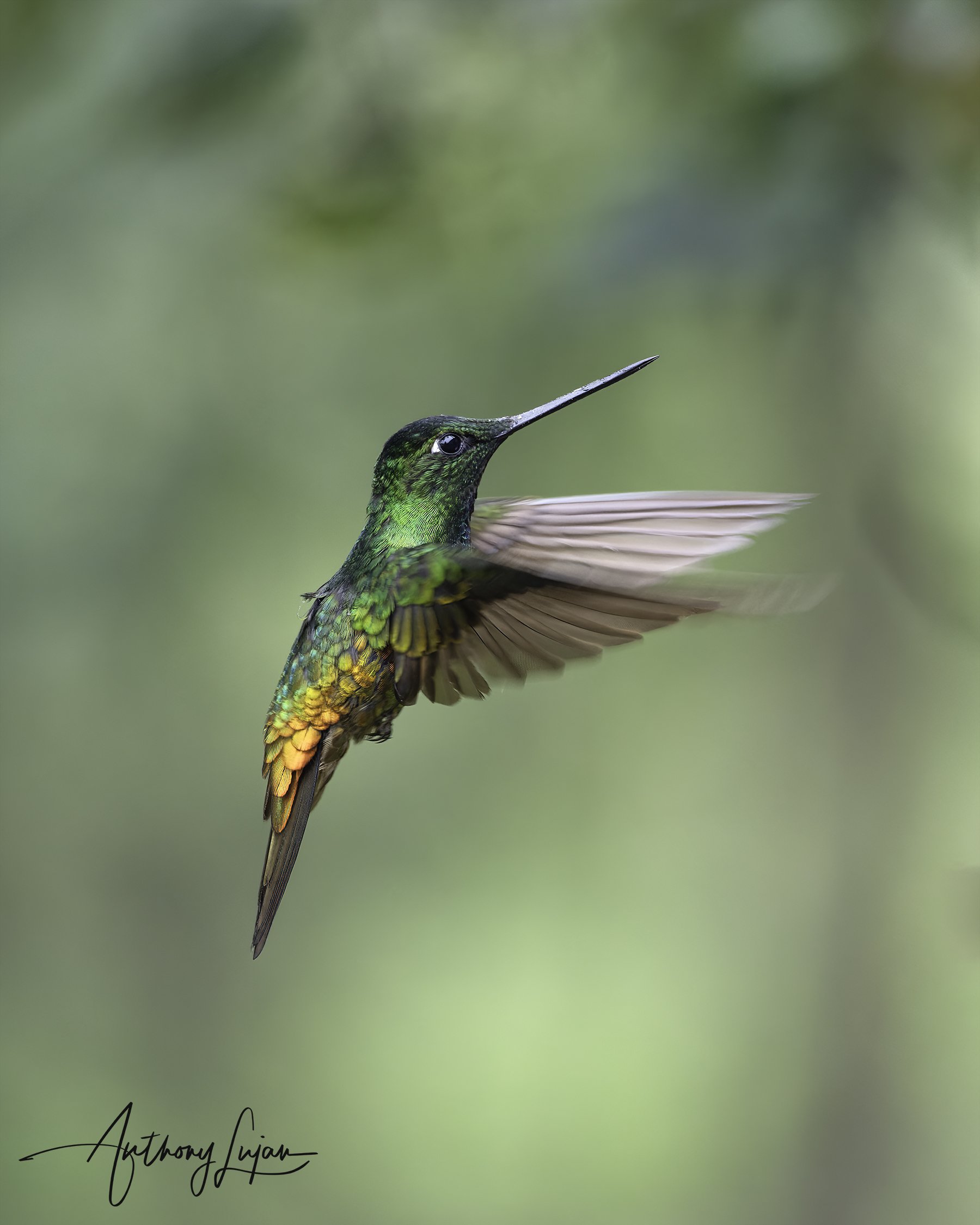
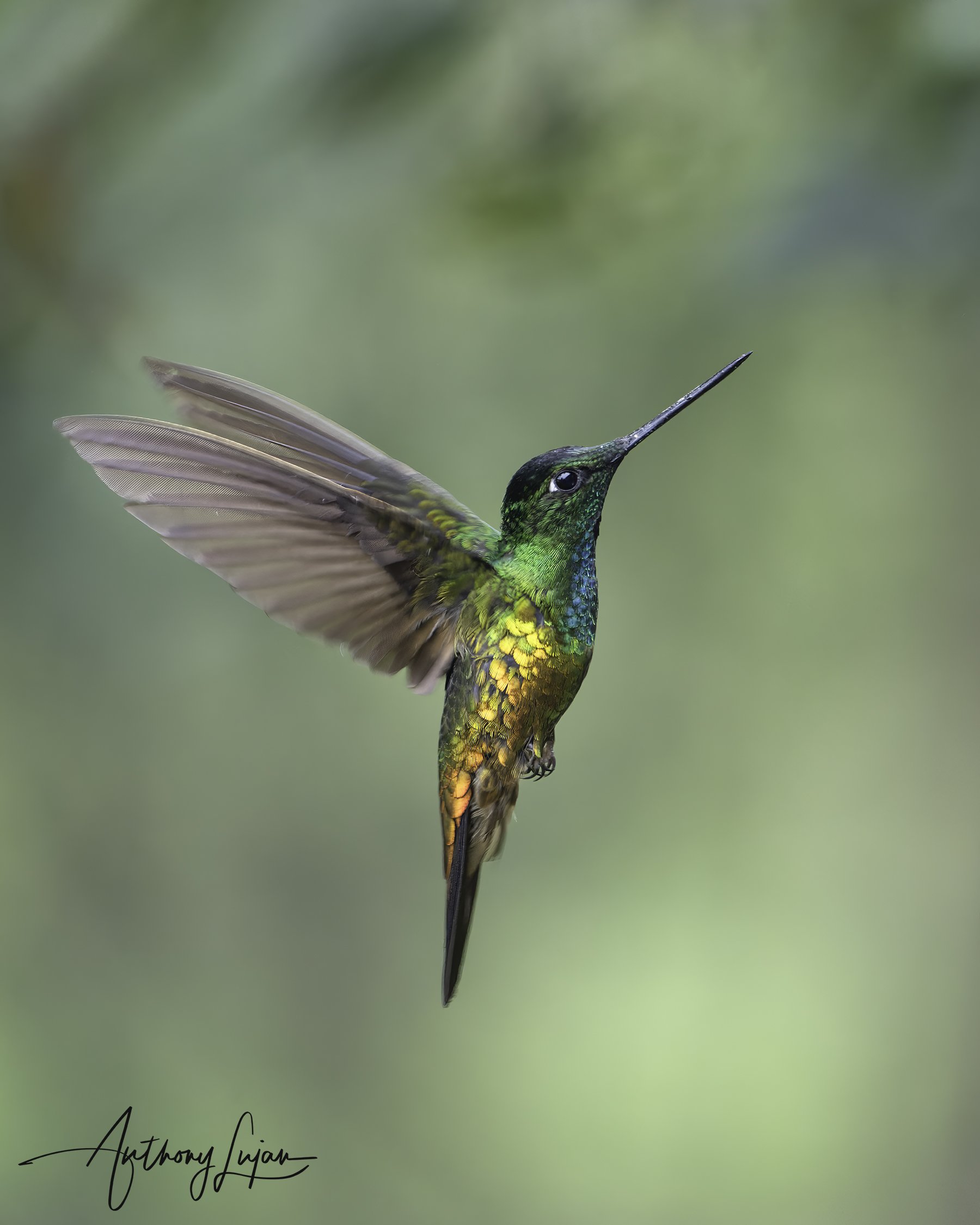
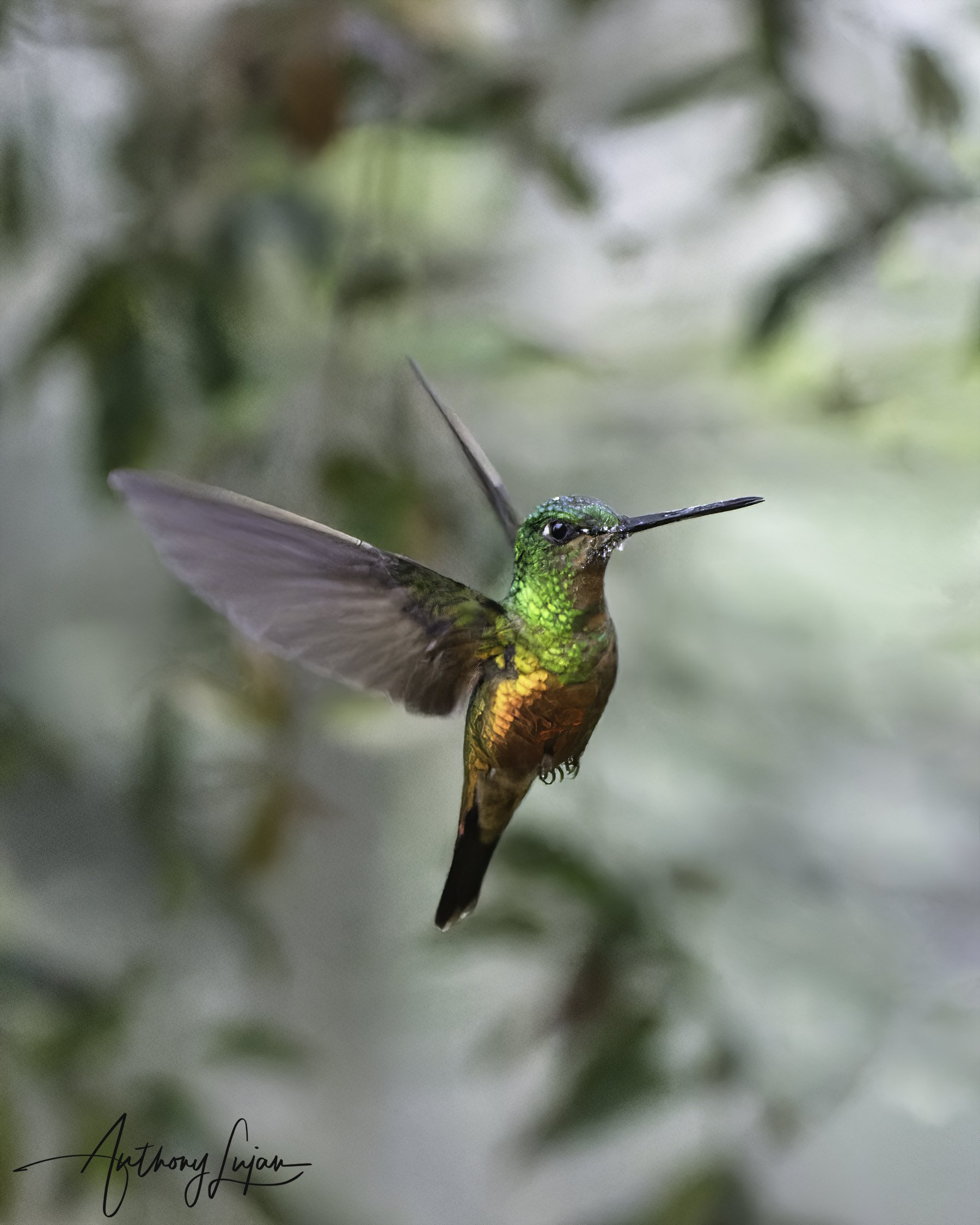
The Golden-bellied Starfrontlet is a visually spectacular Andean hummingbird, notable for its glowing golden underparts and contrasting green and violet head and breast. It is restricted to humid montane forests and dwarf forests of the Eastern Andes of Colombia, where it forages in forest interior, edges, and more open, shrubby highland habitats. Although it has a small geographic range, it remains relatively secure at present and is assessed as Least Concern with a stable population, though habitat change in its limited range warrants continued attention.
Male Description
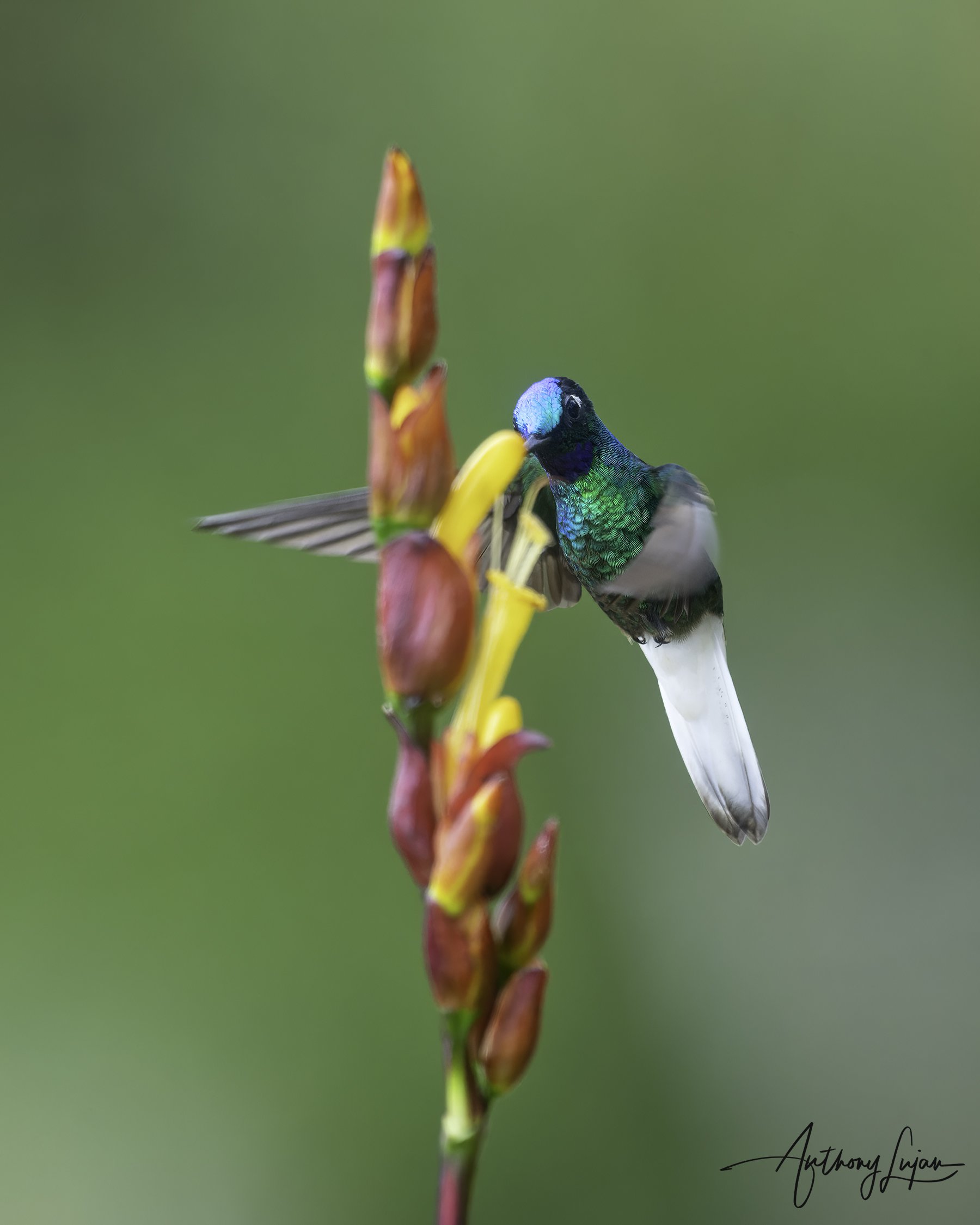
Adult males have a long, straight, black bill and a small white spot behind the eye. The crown is blackish with a glittering green forehead, and the upper back is shining dark green that transitions through greenish copper to a golden-orange rump. The throat and breast are glittering green with a small violet patch on the throat, while the rest of the underparts vary from glittering copper to reddish gold, giving the bird its “golden-bellied” look. The tail is slightly forked and golden bronzy green. Overall, males appear as large, richly colored starfrontlets with a dark head, green breast, and blazing golden underparts.
Female Description
Adult females have a plain green forehead and upperparts similar in pattern to the male’s but duller overall. The throat is buff with green spots along its sides, and the breast is mottled buff and green, creating a scaled appearance. The rest of the underparts are mostly cinnamon, with a reddish-gold belly and a coppery-gold vent area, and the tail feathers are bronze, sometimes with buff tips. Females lack the male’s bright violet throat patch and overall intense iridescence but still show warm golden and cinnamon tones below.
Habitat & Behavior
Golden-bellied Starfrontlets inhabit the interior and edges of humid montane forests, dwarf forests, and more open highland landscapes with scattered shrubs and trees, all within their limited Eastern Andean range. They typically forage at low to medium heights in the vegetation, collecting nectar from tubular flowers in forest interior and edge habitats and occasionally in more open scrub. They primarily feed by trap-lining, visiting a circuit of flowering plants, but will also hover and cling at blossoms and capture small arthropods by gleaning from foliage, hovering in front of vegetation, or hawking insects in short sallies. The species is considered a year-round resident rather than a long-distance migrant, though it may make minor local movements to track flowering peaks.
Population
The total number of mature Golden-bellied Starfrontlets is unknown, but within its relatively small range in the Eastern Andes of Colombia it can be locally fairly common where suitable humid montane forest and dwarf forest remain. Its habitat coincides with regions experiencing expanding human settlements and mining interest, and it is not known to occur in any major protected areas. Even so, current information suggests its overall population is roughly stable, though its restricted range and ongoing habitat pressures mean that any future increases in deforestation or development could quickly affect its status.

Conservation
Golden-bellied Starfrontlet is classified as Least Concern, but it has a small, geographically restricted range and an unknown population size that may be slowly declining. No single large, immediate threat has been identified, but its distribution overlaps with areas of expanding human settlement and mineral exploration, and it does not occur in designated protected areas. Conservation priorities include safeguarding remaining humid montane and dwarf forests in the Eastern Andes of Colombia, integrating its habitats into protected area networks where possible, and monitoring population trends to detect any future declines. Maintaining native flowering shrubs and trees in forest edges and surrounding landscapes will also support this endemic species.

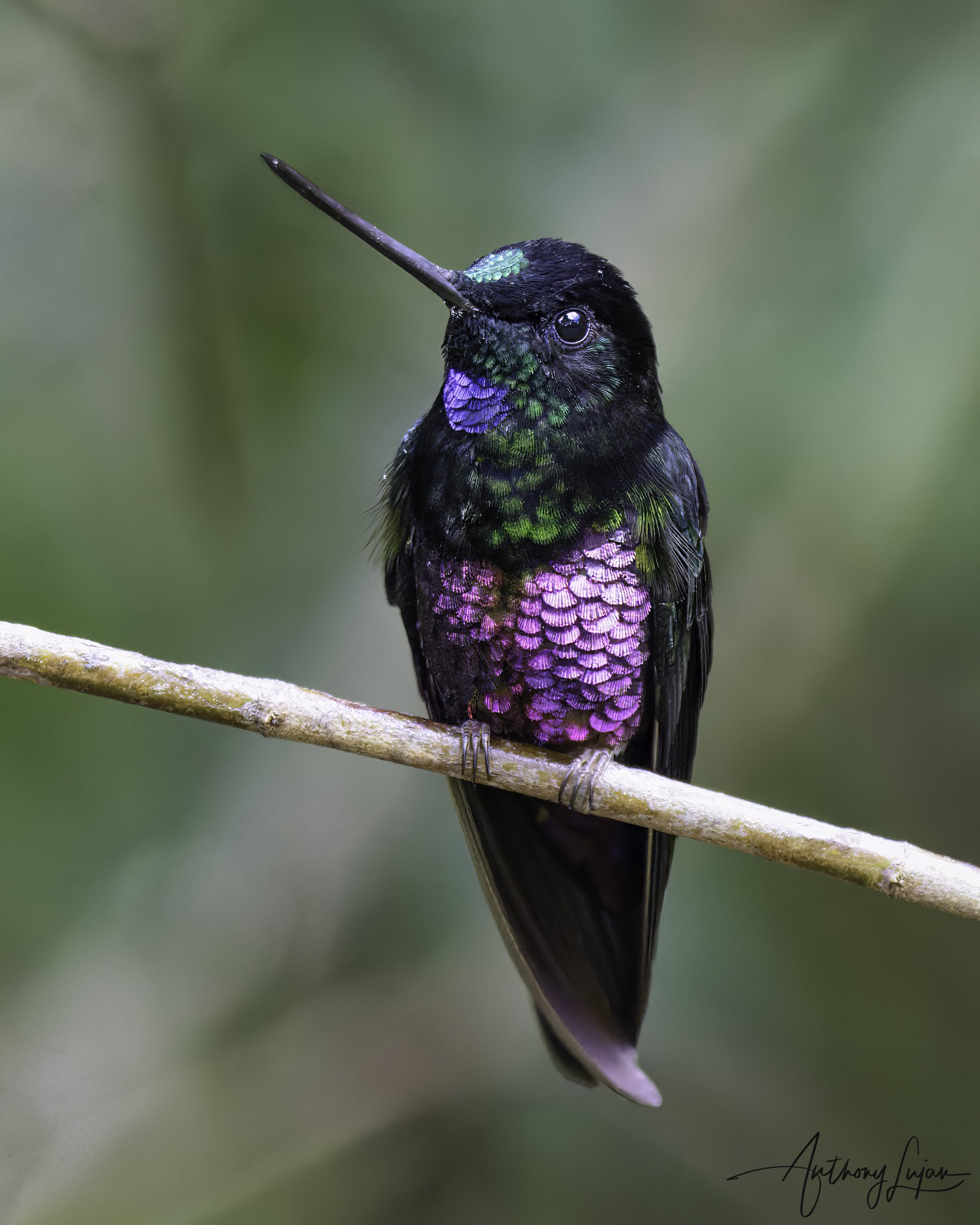
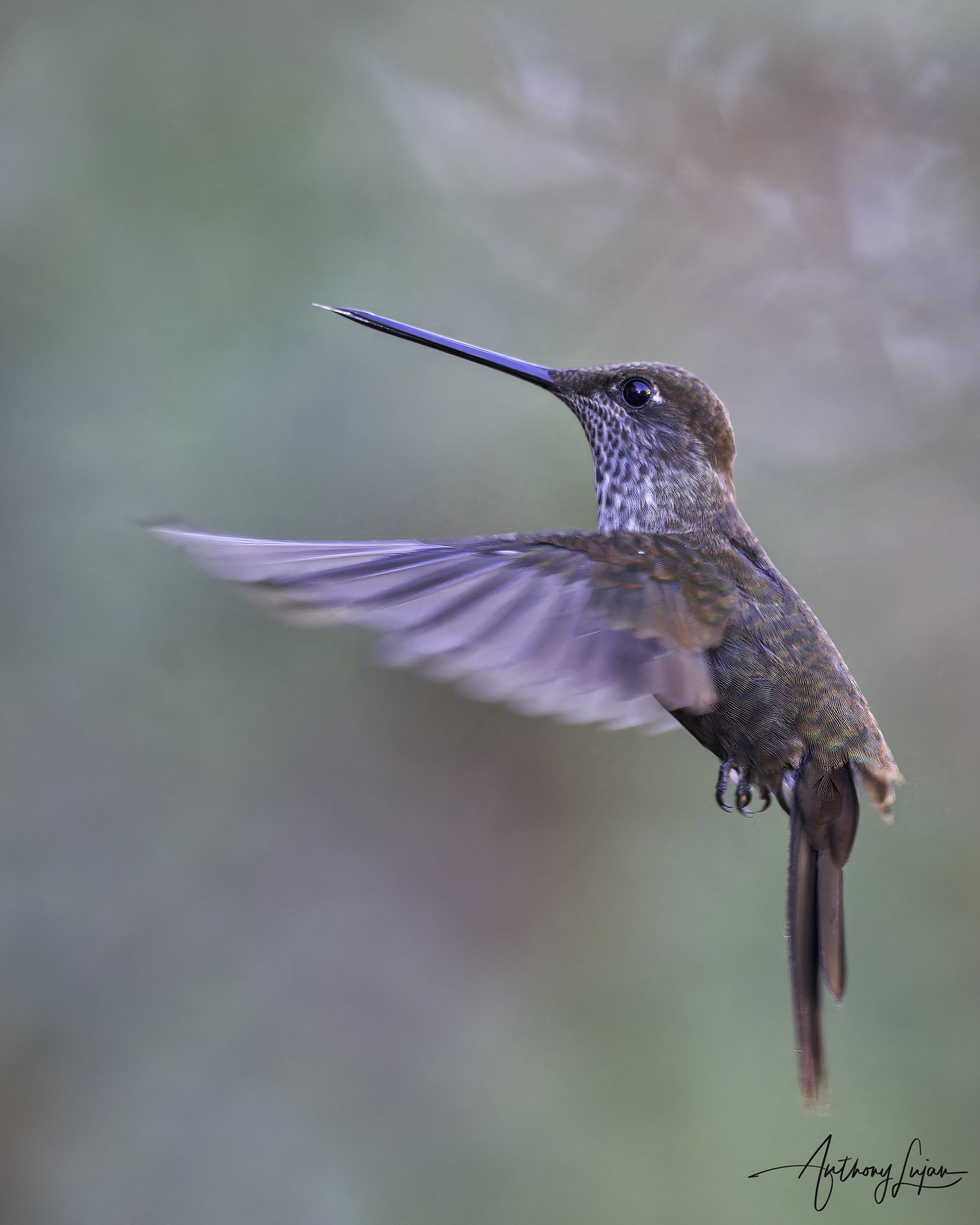
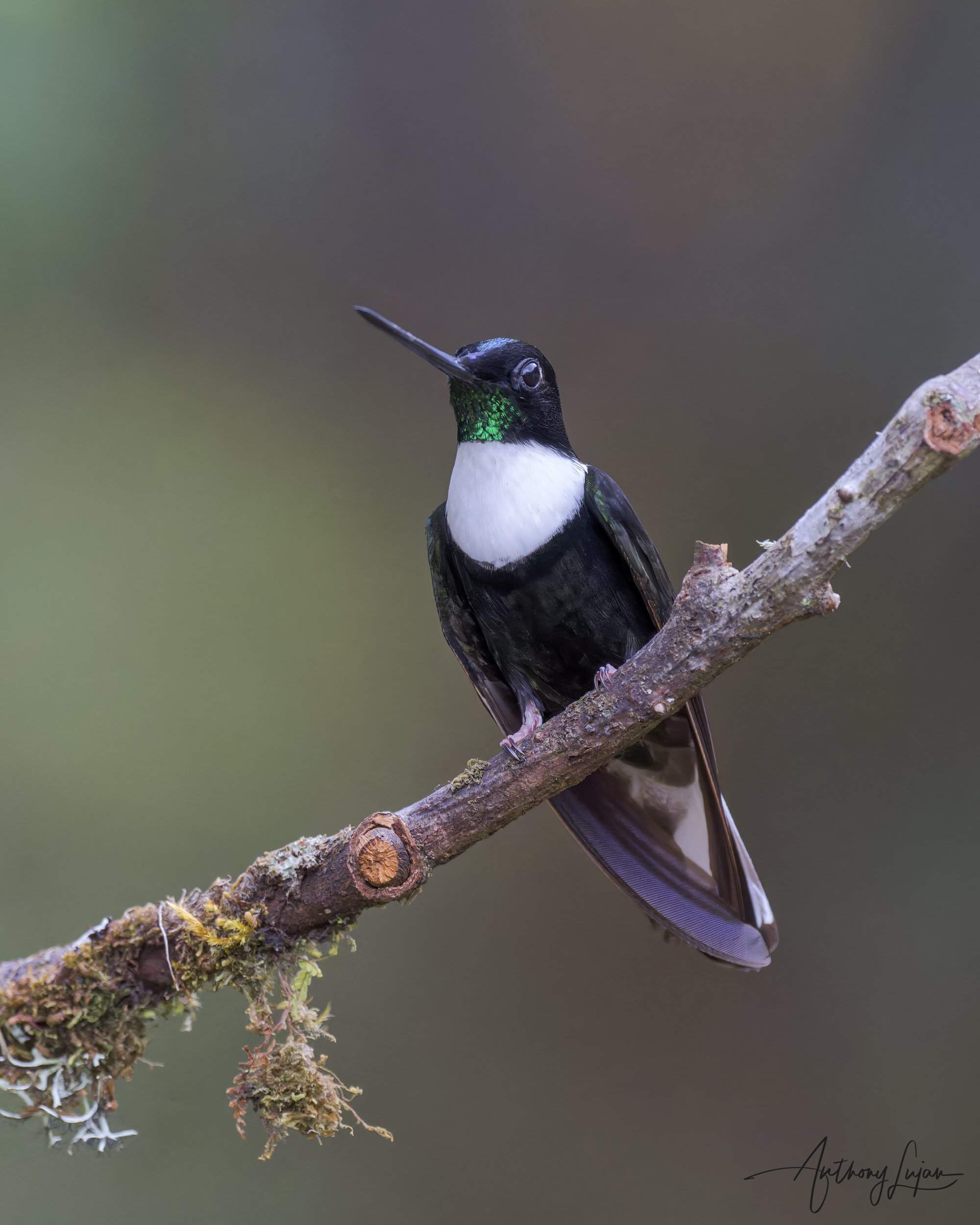
Related species in the Coeligena genus (15 species total):




Please note: The content provided in this article reflects Anthony’s personal experience and photographic approach. Results can vary depending on light, weather, location, equipment, subject behavior, and field conditions.